
The Impact of Changing Light Conditions
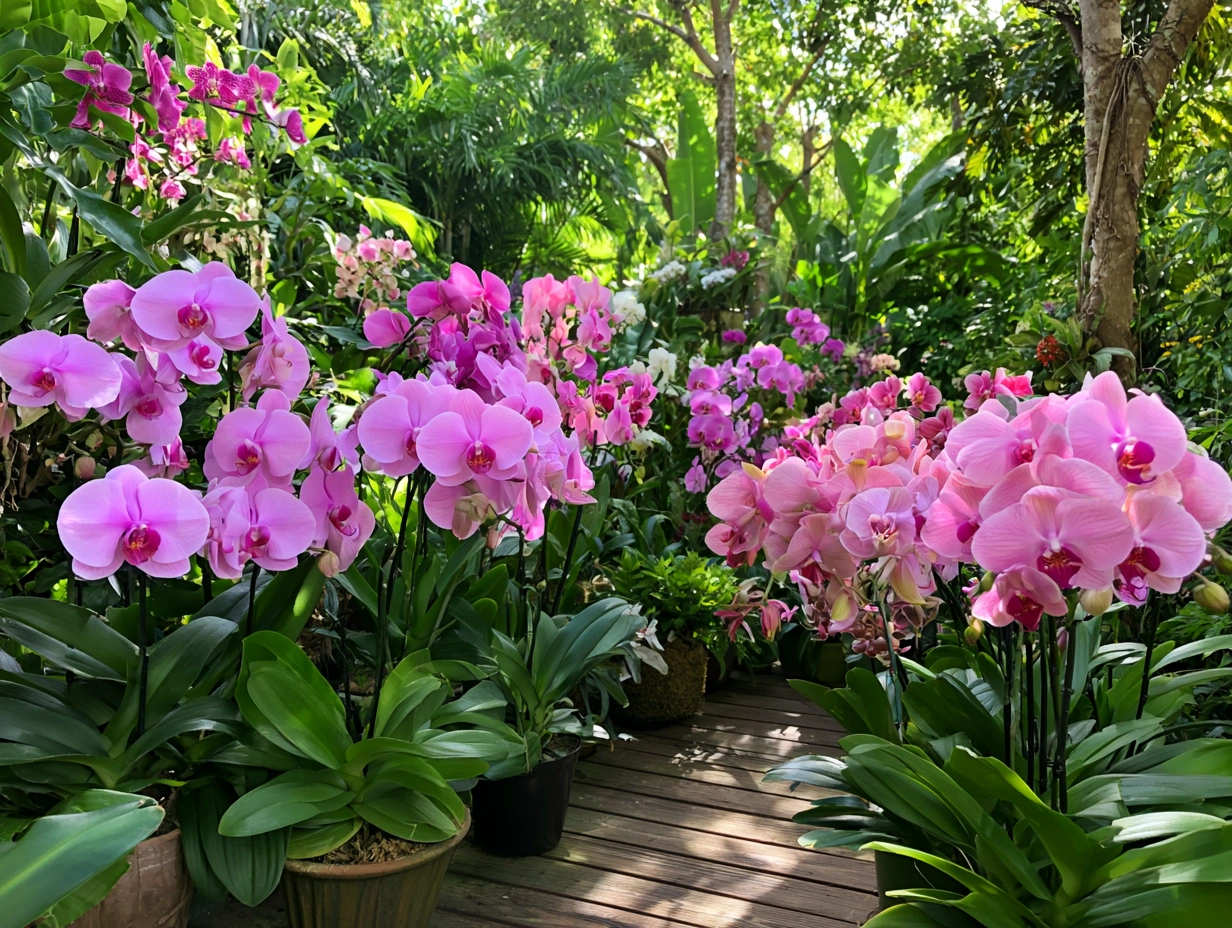
As October approaches in South Florida, one of the most significant factors impacting orchid care is the reduction in daylight hours and the shift in the angle of sunlight. Orchids, being epiphytic plants, heavily rely on adequate light for photosynthesis and overall growth. As the days shorten, this reduction in available light can hinder their development and affect their blooming cycle.
During this time, the quality of light becomes just as crucial as the quantity. The angle of sunlight changes, making it imperative for orchid owners to reassess the location of their plants. Ideally, orchids should receive sufficient indirect sunlight; however, as light levels decrease, the positioning of these plants may need adjustment to ensure they are not overly shaded or exposed to direct sunlight, which can cause leaf burn.
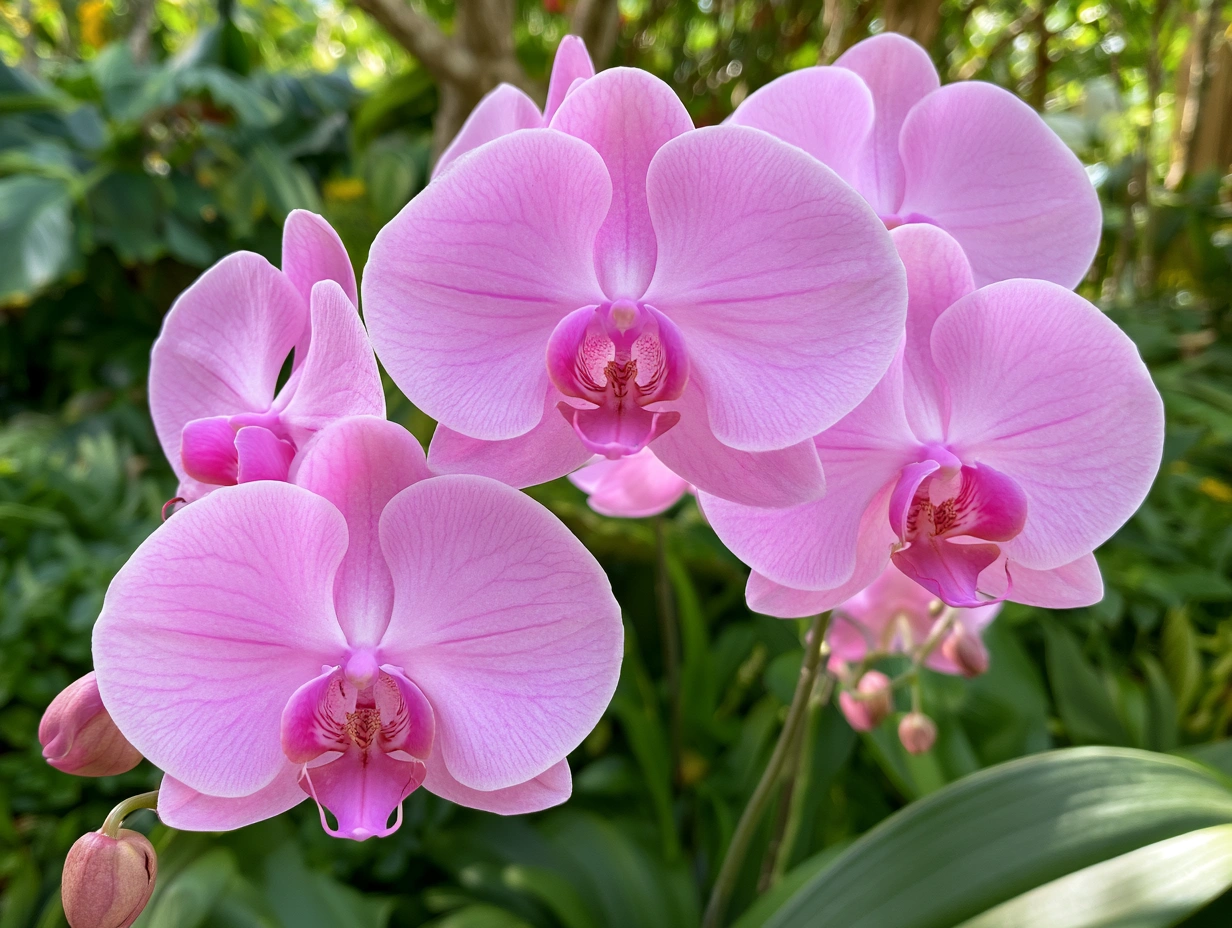
For effective orchid care in October, it is essential to monitor light exposure closely. This involves observing how sunlight enters your home and where your orchids are placed. If necessary, consider relocating them to areas where they can benefit from brighter light conditions without being subjected to harsh afternoon sun. Using sheer curtains can help diffuse the sunlight entering windows and provide a more gentle light for the orchids. Alternatively, if natural light is insufficient, you may explore the option of using grow lights designed specifically for orchids, which can help boost their light intake without causing stress.
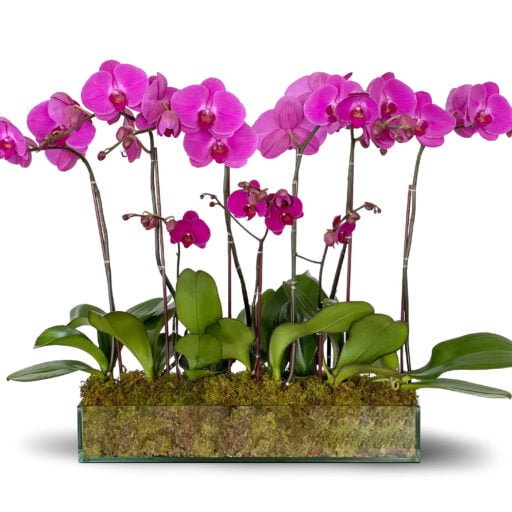
Furthermore, assessing the specific type of orchid is beneficial, as different varieties have unique light requirements. Some orchids thrive in lower light conditions while others prefer brighter settings. Adjusting the position of orchids based on their specific needs will enhance their vitality and improve blooming potential as the seasons change.
Watering Adjustments for Fall Health
As the temperatures begin to cool down in South Florida during the month of October, it becomes crucial to adjust the watering schedule for your orchids. Orchids are sensitive to changes in temperature and humidity, and their water needs will vary as the environmental conditions change. With the arrival of fall, many orchid varieties will enter a state of dormancy or reduced growth, which means their water requirements may decrease.
To ensure the health of your orchids, it is important to monitor the moisture levels of the growing medium. Overwatering is a common issue that can lead to root rot, which is detrimental to the overall health of the plant. Signs of overwatering include yellowing leaves, wilting, and a mushy texture at the base of the plant. When orchids receive too much water, their roots can suffocate due to lack of oxygen.
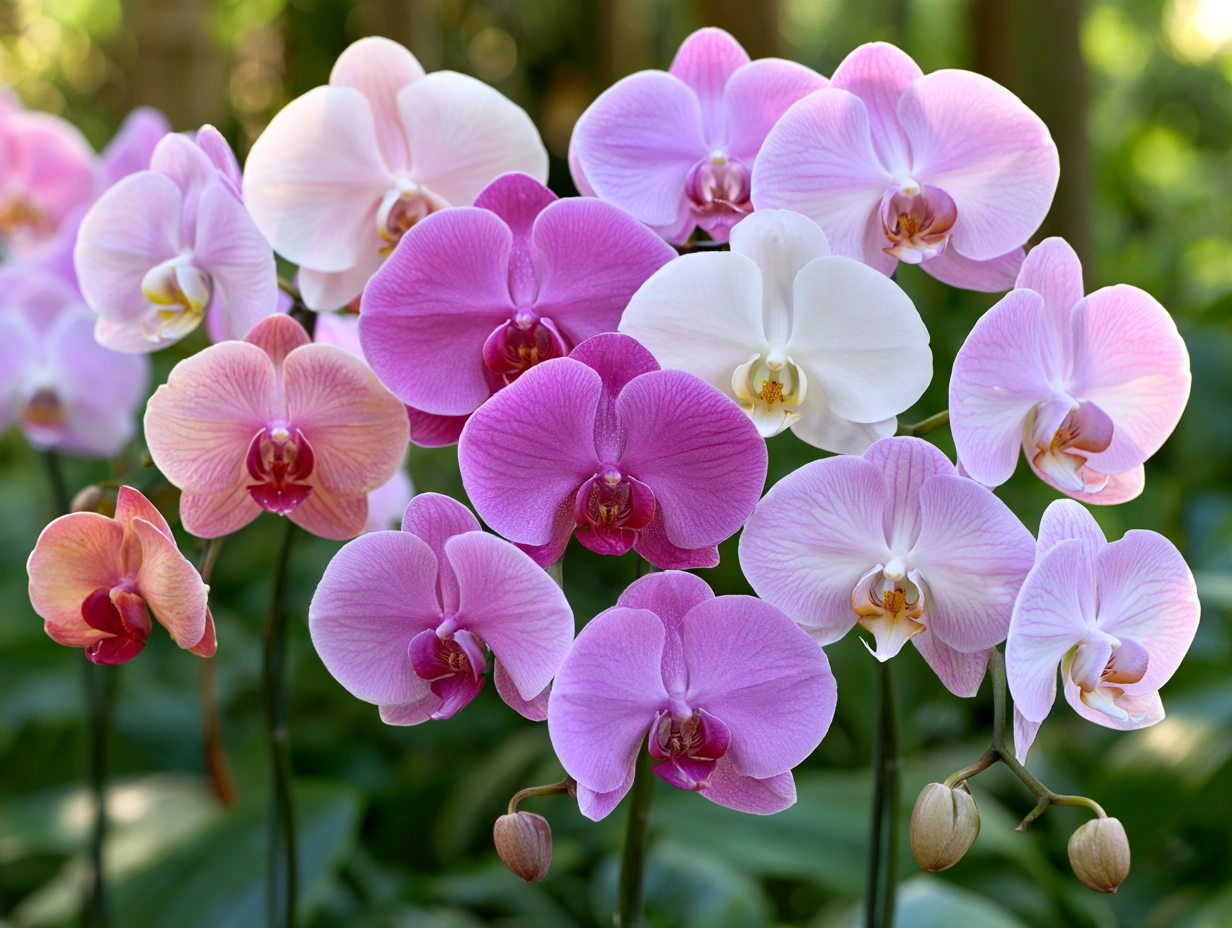
Conversely, underwatering can also pose a significant risk to orchids, especially as temperatures drop. Orchids that do not receive enough water may exhibit signs such as shriveled leaves and stunted growth. To determine if your orchid is underwatered, check for a dry or brittle texture on the leaves and pseudobulbs. It’s essential to strike a balance in watering, adapting to the specific needs of different orchid types.
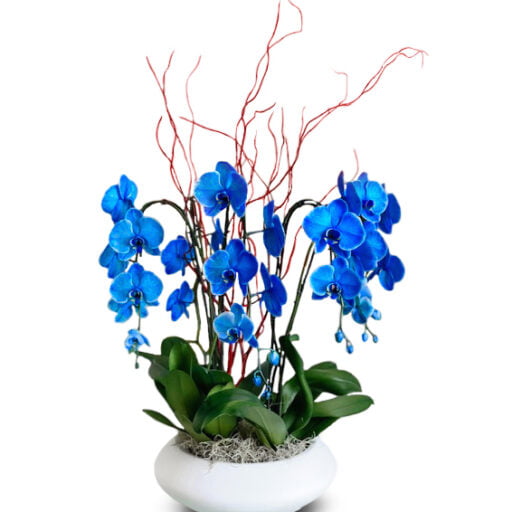
For instance, Phalaenopsis orchids typically require a more consistent moisture level compared to Cattleya orchids, which prefer drier conditions between waterings. As a general guideline, always allow the top inch of the growing medium to dry out before watering again. Use your finger or moisture meter to assess the wetness of the growing substrate. During October, adjust your watering schedule to accommodate the cooler temperatures, ensuring that your orchids receive the appropriate amount of moisture based on their individual needs.
Optimal Timing for Repotting
October presents an advantageous window for repotting orchids, offering growers a chance to prepare their plants for the cooler months ahead. As the weather transitions, many species of orchids naturally slow their growth, making it an opportune time to assess their potting needs without disrupting their vital growth cycle.
One of the primary reasons October is ideal for repotting is the noticeable shift in orchid growth patterns. During this month, orchids typically enter a period of dormancy or reduced growth, which allows them to recover from the stress of repotting more effectively. Furthermore, the changes in temperature and humidity during fall can help stabilize the plants as they adjust to a new environment post-repotting.
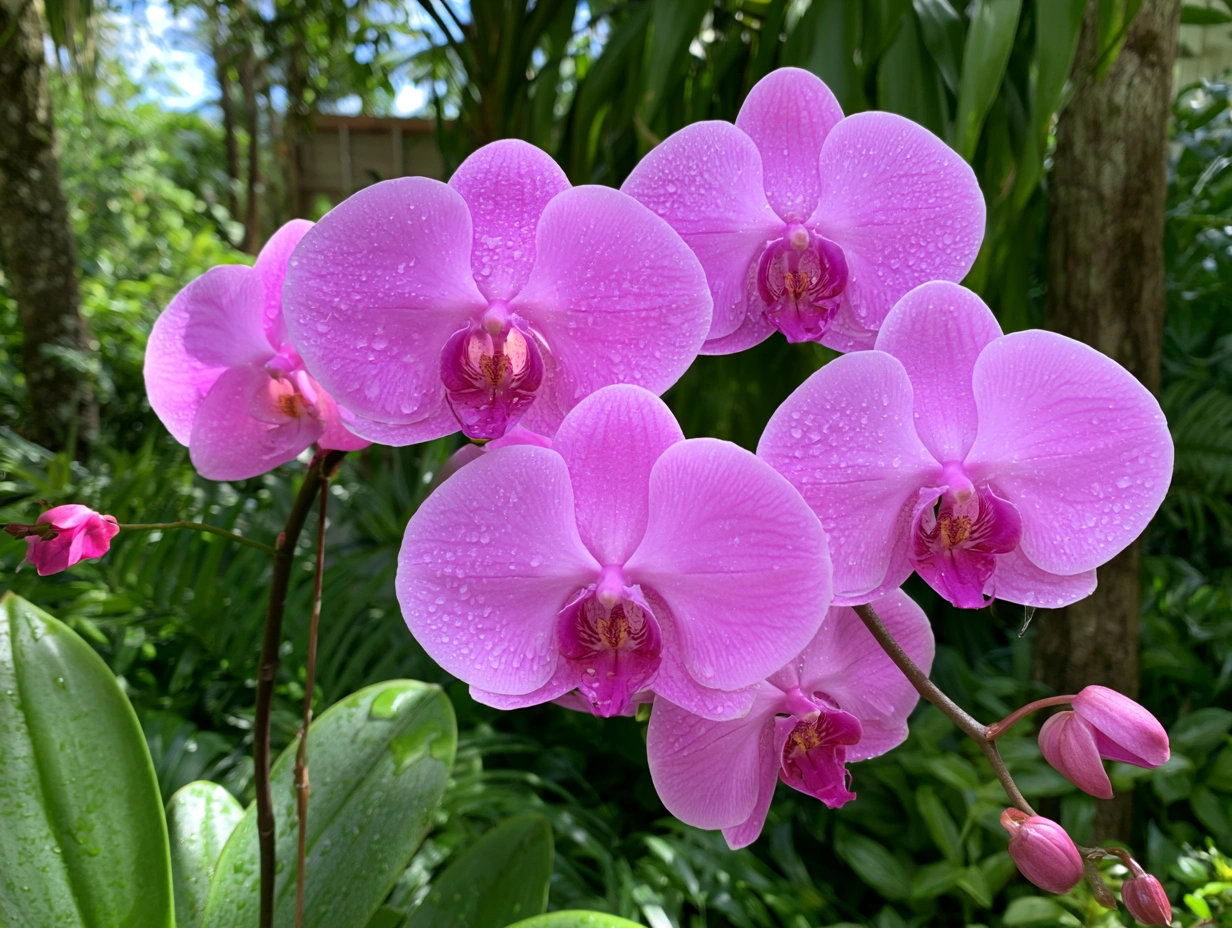
When considering repotting your orchids in October, several factors should be evaluated. First, assess the current potting medium. Orchids prefer a well-draining mix, and as the material breaks down over time, it can retain excess moisture, leading to root rot. Replacing the medium ensures that your orchid is surrounded by fresh, aerated material that promotes healthy root systems.
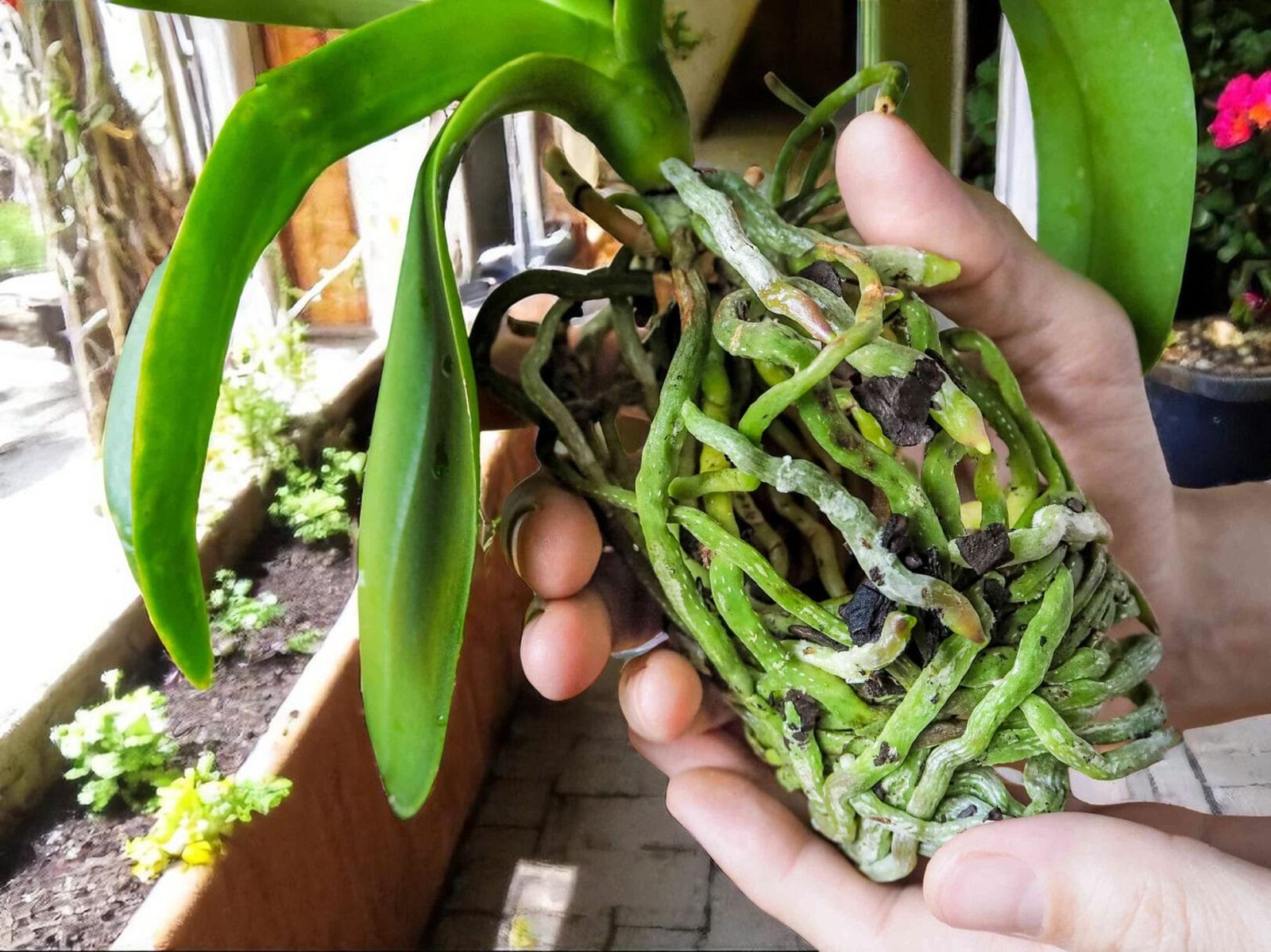
Secondly, examine the roots. Healthy roots should appear firm and green, while those that are brown or mushy indicate decay. If substantial decay is present, repotting is essential to remove the affected roots and prevent further damage. Choose a pot that allows for growth; orchids typically prefer pots that allow their roots to expand without unnecessary crowding.
Lastly, ensure that it is the right moment for your specific orchid species. Some orchids may require repotting annually, while others thrive when repotted every few years. By carefully considering the timing and following these guidelines, you can enhance your orchids’ health and vitality as they transition through the seasonal changes in South Florida.
Essential Fall Care Tips for Orchids
As autumn approaches in South Florida, it is vital for orchid enthusiasts to adapt their care routines to ensure the health and vitality of these delicate plants. With shifting temperatures and decreasing daylight, orchids require specific adjustments in their care practices to thrive during the fall months.
One of the primary adjustments during this season involves fertilization. As the growth phase begins to slow, it is essential to modify the fertilization regime. Using a balanced, water-soluble fertilizer can be effective, but it is advisable to reduce the frequency. Many experts recommend fertilizing orchids every four to six weeks during fall, as this aligns with their natural growth cycle. Furthermore, it’s prudent to be cautious of over-fertilization, which can lead to salt buildup and adversely affect orchid health.
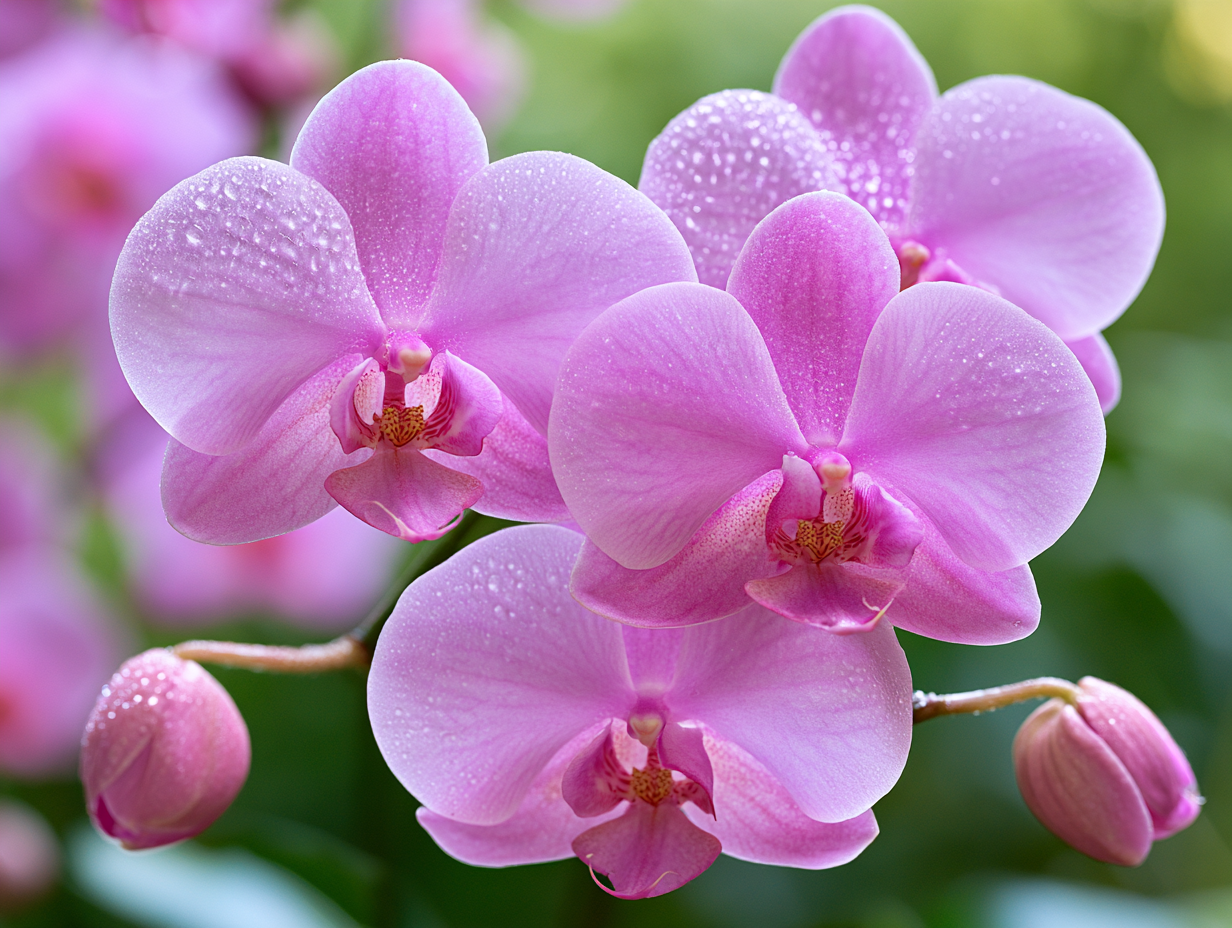
Pest management emerges as another crucial aspect of fall maintenance. The cooler, more humid conditions of fall can create an ideal environment for pests such as scale, aphids, and spider mites. Regular inspection of orchids for signs of infestation is essential. Utilizing insecticidal soap or neem oil can effectively manage these pests when detected early. Additionally, ensuring good air circulation around the orchids can help deter pests while promoting a healthy growing environment.
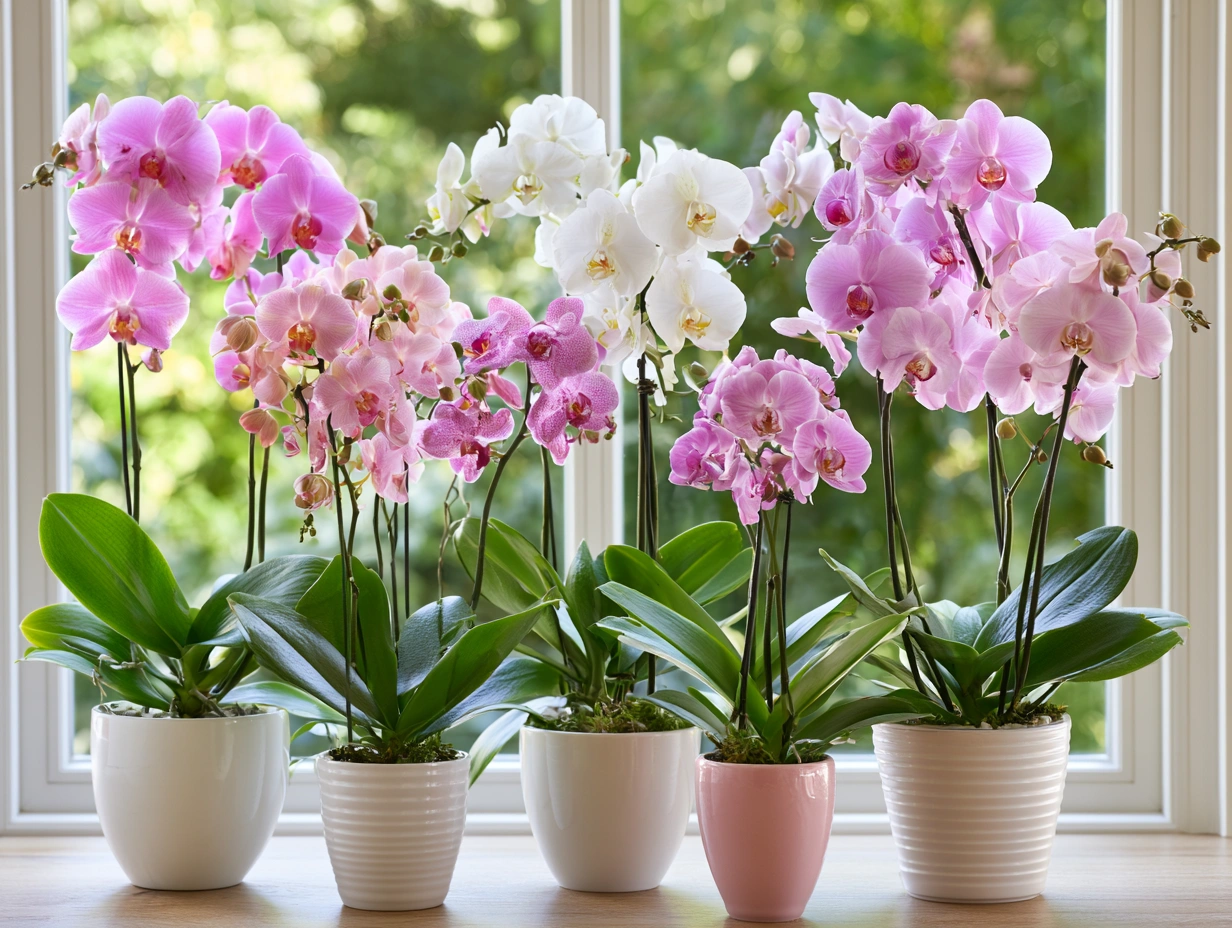
Monitoring for diseases is equally important. Orchids can be susceptible to fungal and bacterial infections, especially when conditions fluctuate with the changing season. Keeping the foliage dry and avoiding overhead watering can significantly reduce the risk of disease. Implementing a routine of inspecting leaves and roots for any discolorations or unusual spots will help in early detection and remediation.
In summary, adapting fertilization practices, maintaining diligent pest management, and monitoring for diseases are essential components of orchid care in the fall. By implementing these tips, growers in South Florida can ensure the continued health of their orchids as the growing season transitions. This proactive approach lays the foundation for a successful blooming season ahead.