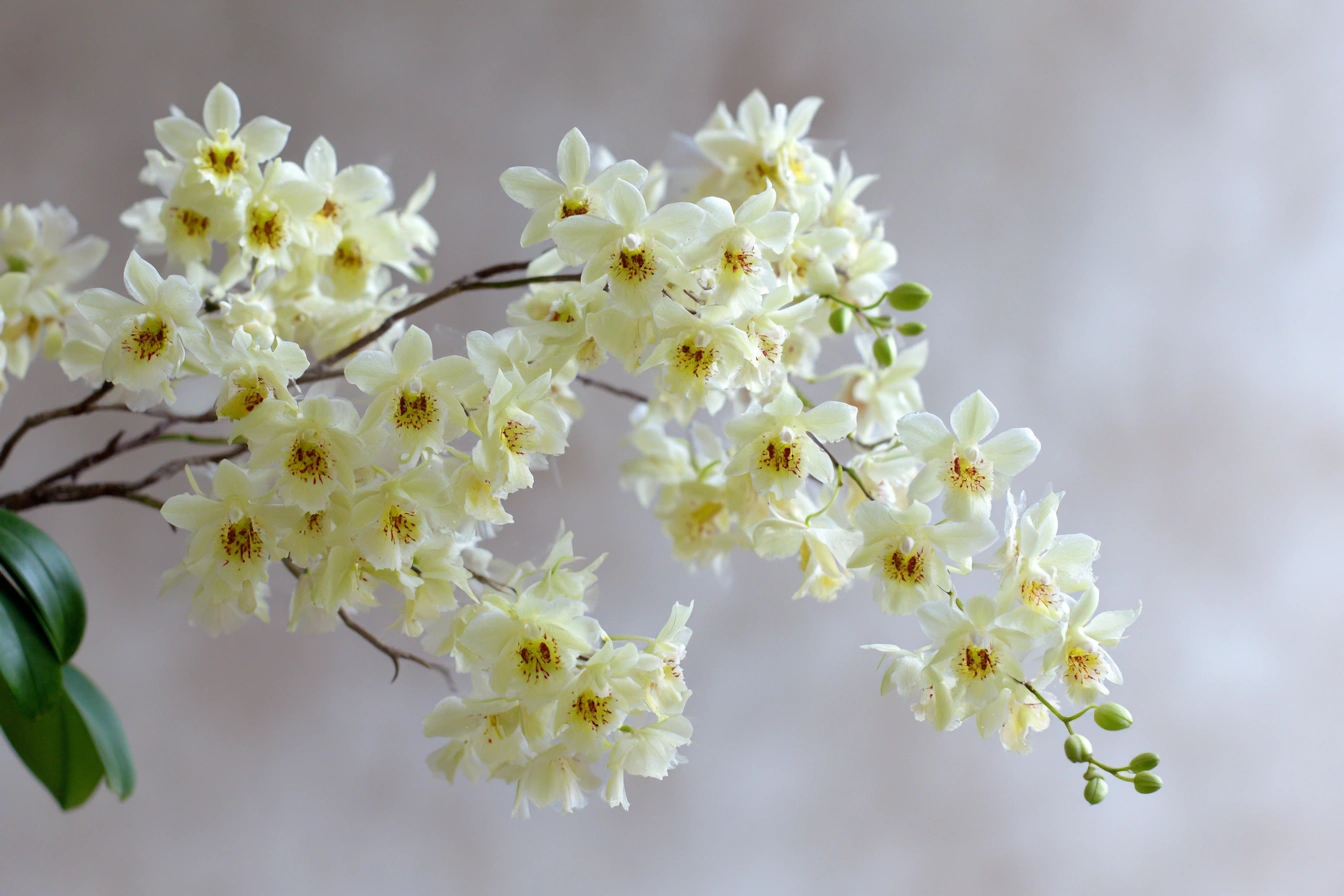
Orchids have captivated gardeners and nature enthusiasts alike for centuries, with their intricate beauty and diverse forms. While the white phalaenopsis orchid often steals the limelight, there exists a plethora of other orchid varieties that boast their own distinct charms and characteristics. These lesser-known orchids not only enrich the world of horticulture but also provide a fascinating array of options for both novice and seasoned orchid caregivers.
The allure of exploring lesser-known orchids lies in their uniqueness and adaptability. For instance, some varieties feature vibrant colors, intricate patterns, and enchanting fragrances that can transform any space into a botanical wonder. Moreover, each type of orchid has its specific care requirements, allowing orchid enthusiasts to acquire new skills and broaden their gardening knowledge. In essence, cultivating these underrated varieties can be a rewarding experience that enhances one’s appreciation for the diversity of the orchid family.
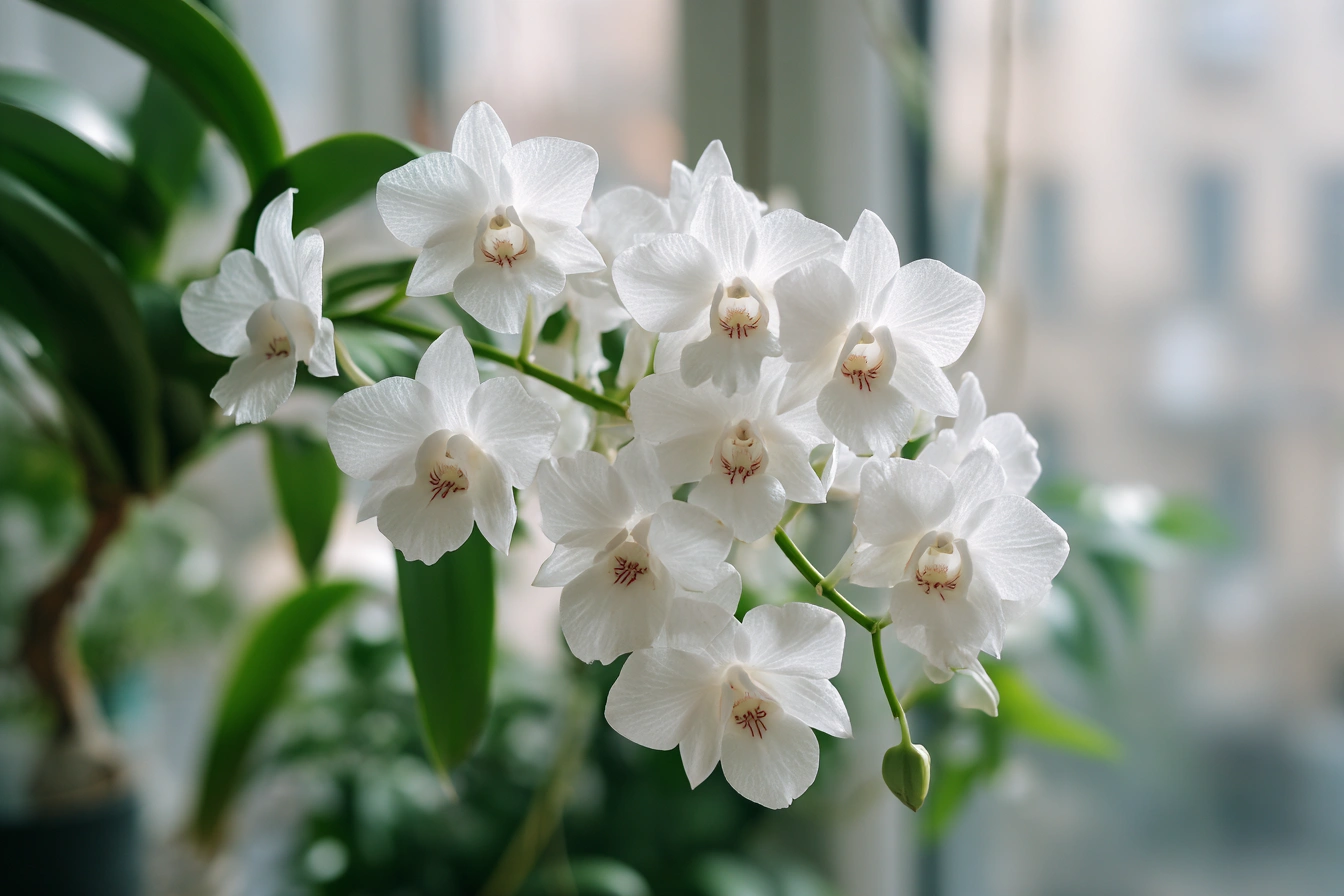
As we delve into the captivating world of orchids beyond the phalaenopsis, it is vital to highlight that these plants cater to a wide range of preferences and growing conditions. Whether you are searching for low-light tolerant plants or those that thrive in bright environments, there is an orchid variety suited to your needs. This exploration will empower you to step beyond the familiar and invite an exciting selection of orchids into your home or garden.
Prepare to be inspired by the stunning range of orchids that await discovery and to uncover varieties that you never knew existed. Each plant holds a story, a personality, and a place in the rich tapestry of orchid cultivation. Join us as we embark on this journey through lesser-known orchids that are sure to spark your interest and passion for this incredible plant family.
Spotlight on Dendrobium Orchids
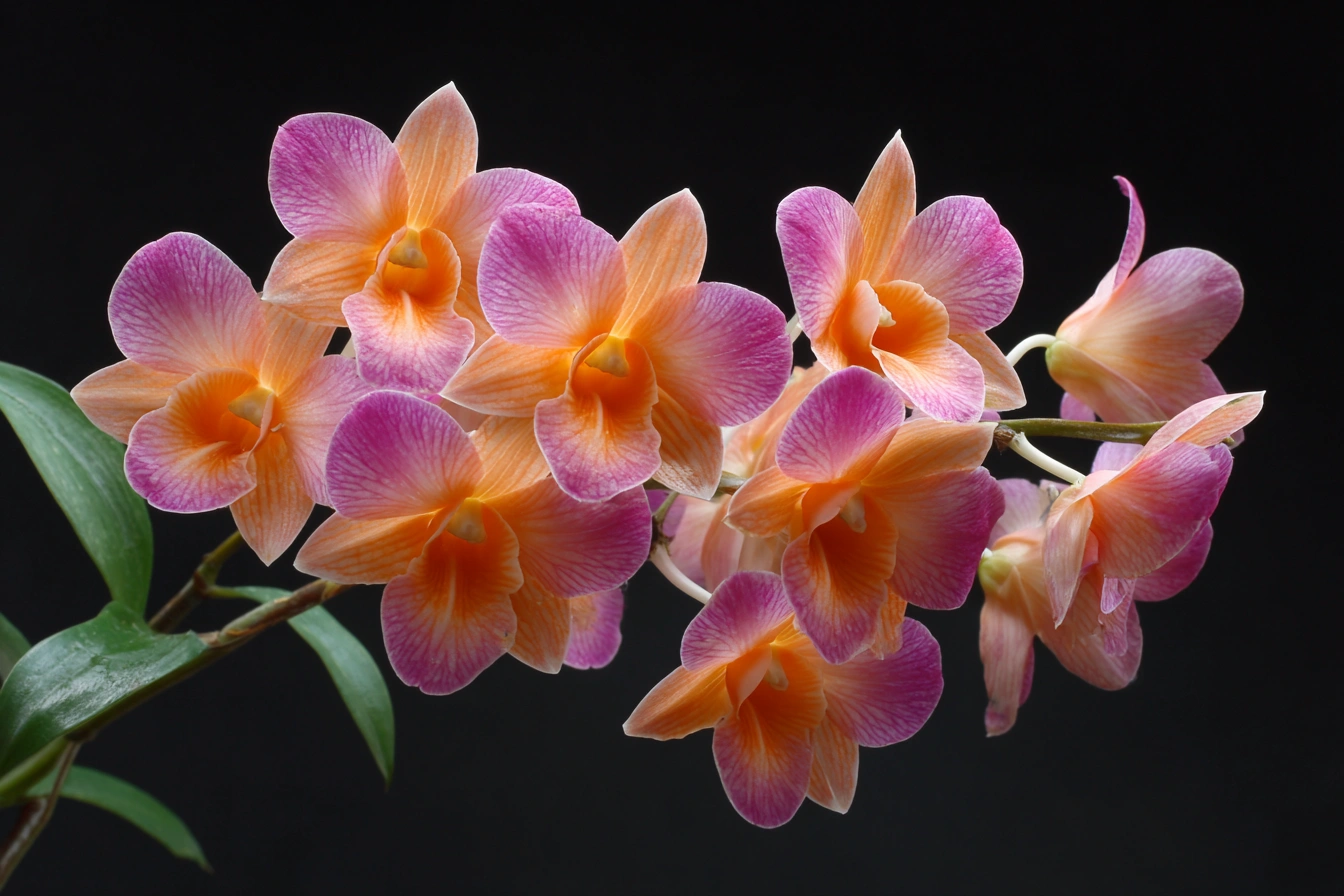
Dendrobium orchids are a captivating subset of the orchid family, distinctively recognized for their cascading stems and vibrant, eye-catching blooms. These orchids typically possess elongated canes with clusters of flowers that can be found in a broad spectrum of colors, ranging from whites and yellows to rich purples and oranges. Their unique growth pattern and varied flowering habits make them an appealing choice for orchid enthusiasts looking to expand their collection beyond the commonly known Phalaenopsis.
Caring for dendrobium orchids differs notably from caring for phalaenopsis. Dendrobiums require a more structured environment that mimics their natural habitat, which is often found in warmer climates with bright, indirect light. Additionally, these orchids thrive on a consistent watering schedule, especially during their active growing season, and prefer to dry out moderately between waterings. Unlike the notoriously forgiving phalaenopsis, dendrobium orchids can be sensitive to overwatering, necessitating a careful balance of hydration and humidity to promote healthy growth.
Price points for dendrobium orchids can vary significantly based on the species and flowering stage. Typically, prices range from $15 to $50 for standard varieties, while rare or hybrid species may command higher price tags. Such variations in pricing allow for accessibility across a diverse range of budgets, enabling both novice and experienced growers to invest in these enchanting plants.
When it comes to sourcing dendrobium orchids, both local nurseries and online marketplaces offer ample opportunities. Regional garden centers often have a range of dendrobium varieties available, allowing enthusiasts to inspect the plants visually. Alternatively, reputable online orchid stores can provide a broader selection, ideal for those seeking specific colors or species. It is advisable to review seller ratings and consider shipping conditions to ensure healthy arrivals at your doorstep.
The Allure of Cattleya and Miniature Phalaenopsis
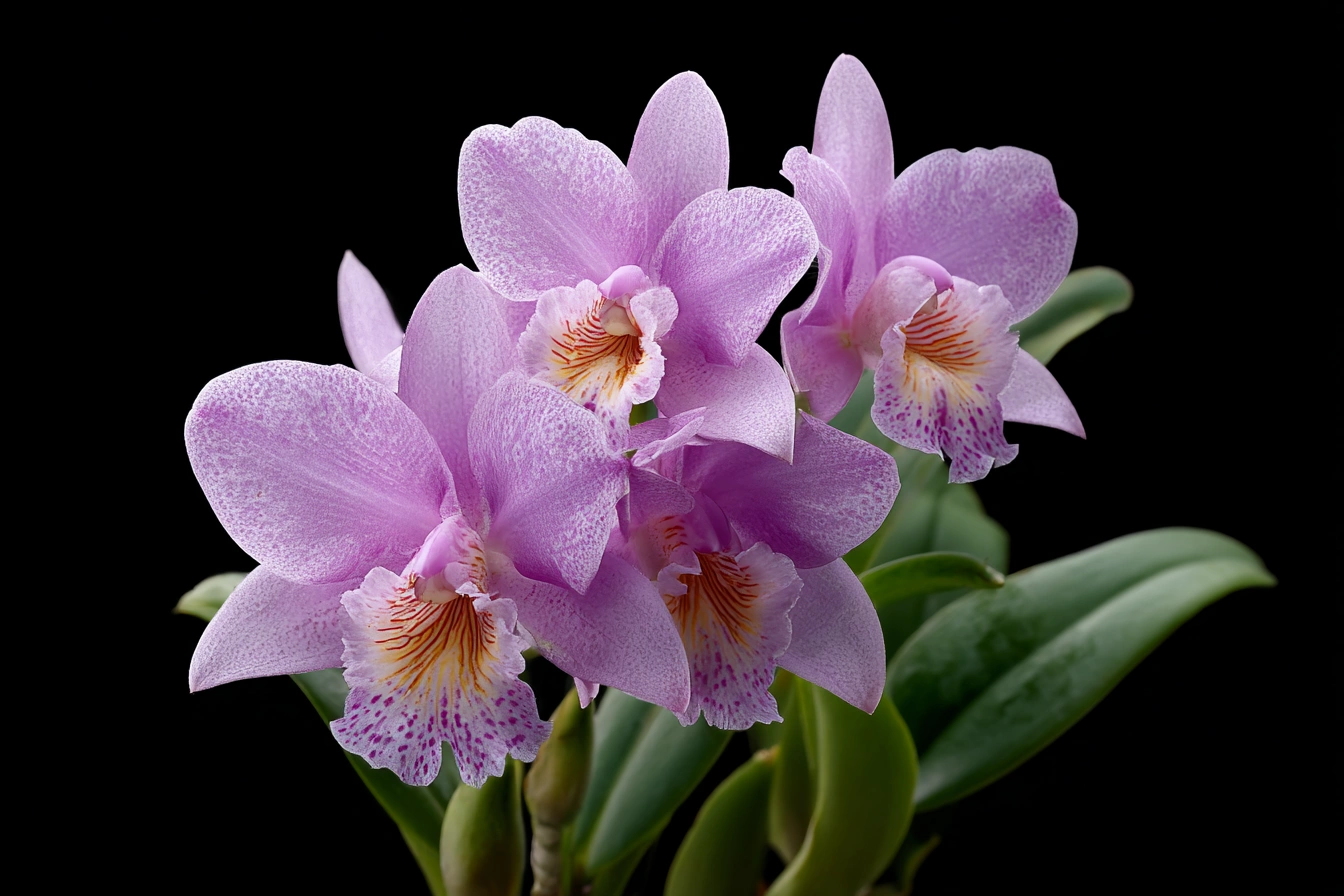
Cattleya orchids, often referred to as the “queen of orchids,” are revered for their stunning, large, ruffled blooms that exhibit a variety of colors and fragrances. These orchids typically bloom once or twice a year, producing spectacular flowers that can reach up to six inches in diameter. Their vibrant hues range from white and pink to purple and yellow, making them a popular choice for floral arrangements and decorative displays. To flourish, Cattleya orchids prefer bright, indirect light and should be watered when the potting media begins to dry out. Providing good air circulation is essential, especially during the blooming phase to prevent diseases.
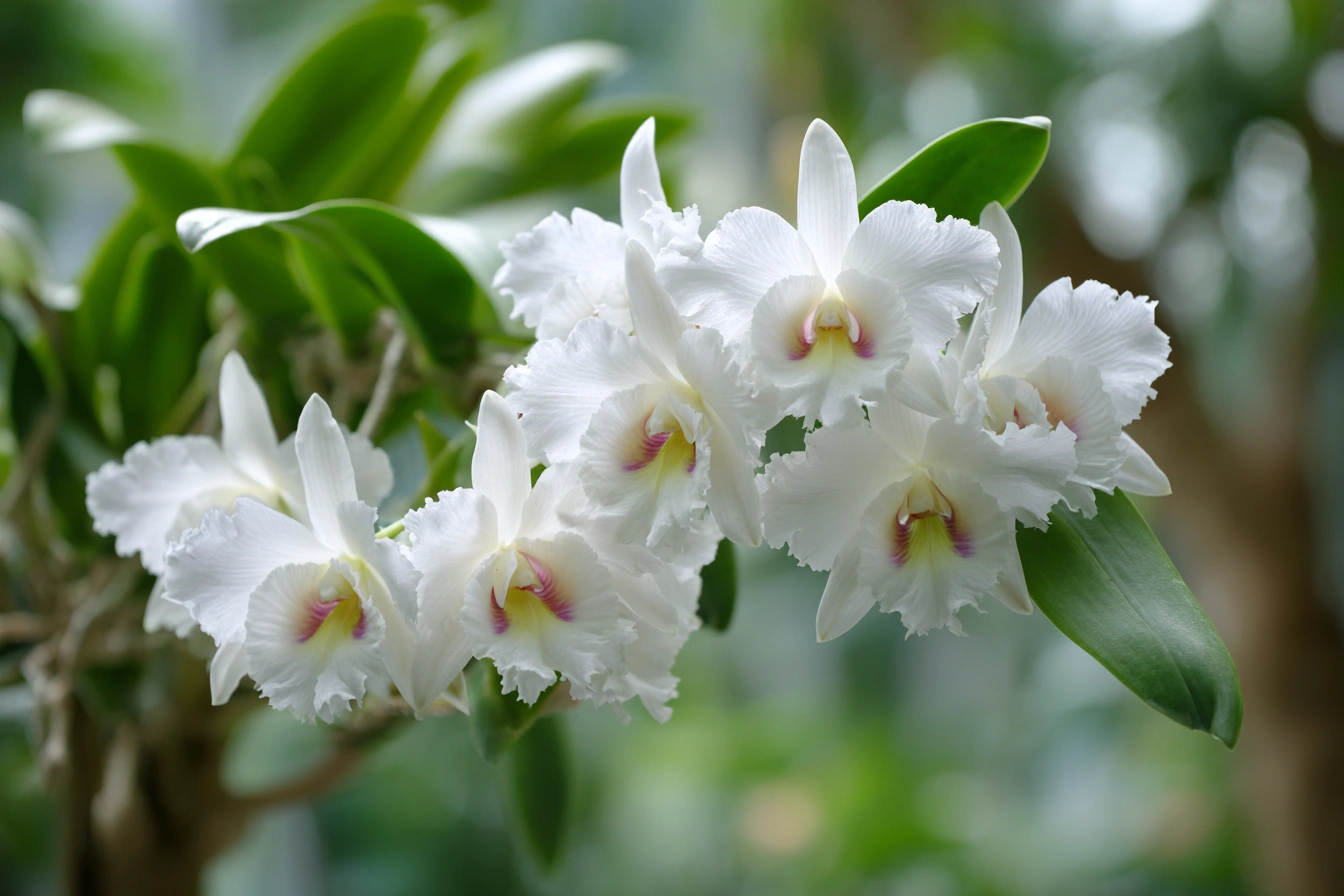
On the other hand, miniature Phalaenopsis orchids present a compact alternative for those with limited space, such as urban dwellers or small homes. Known for their adorable size and graceful blooms, these orchids mimic the aesthetic appeal of standard Phalaenopsis while being easier to display in various locations. The care requirements for miniature Phalaenopsis are similar to their larger counterparts; they thrive in bright, filtered light and enjoy a humid environment. Watering should be carried out when the substrate feels dry to the touch, ensuring the plant remains healthy and vibrant.
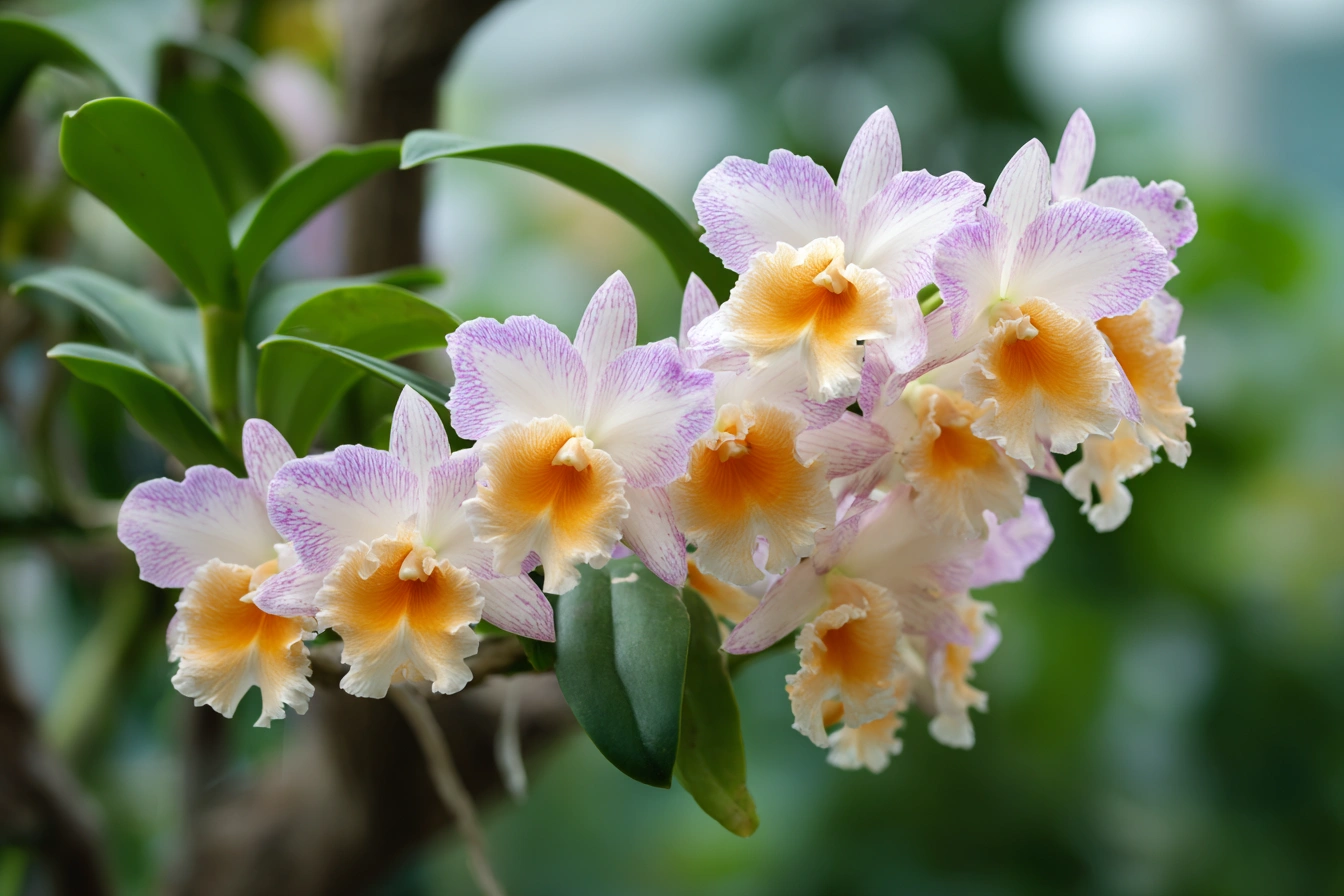
In terms of pricing, Cattleya orchids generally range from $15 to $60, depending on the variety and size, making them accessible to a wide audience. Miniature Phalaenopsis orchids are similarly priced, often available between $10 and $40. These orchids can be obtained from local nurseries, garden centers, and reputable online retailers, providing options for anyone interested in adding these beautiful plants to their collection. With their unique characteristics and manageable care requirements, both Cattleya and miniature Phalaenopsis orchids offer delightful choices for orchid enthusiasts, enhancing spaces with their captivating beauty.
Exploring Unique Varieties: Jewel Orchids, Cymbidium, and Zygopetalum
When discussing underrated orchid varieties, one cannot overlook the charm and distinctiveness of jewel orchids, cymbidium orchids, and zygopetalums. Each of these varieties carries unique traits, appealing to both the novice and seasoned orchid enthusiast.
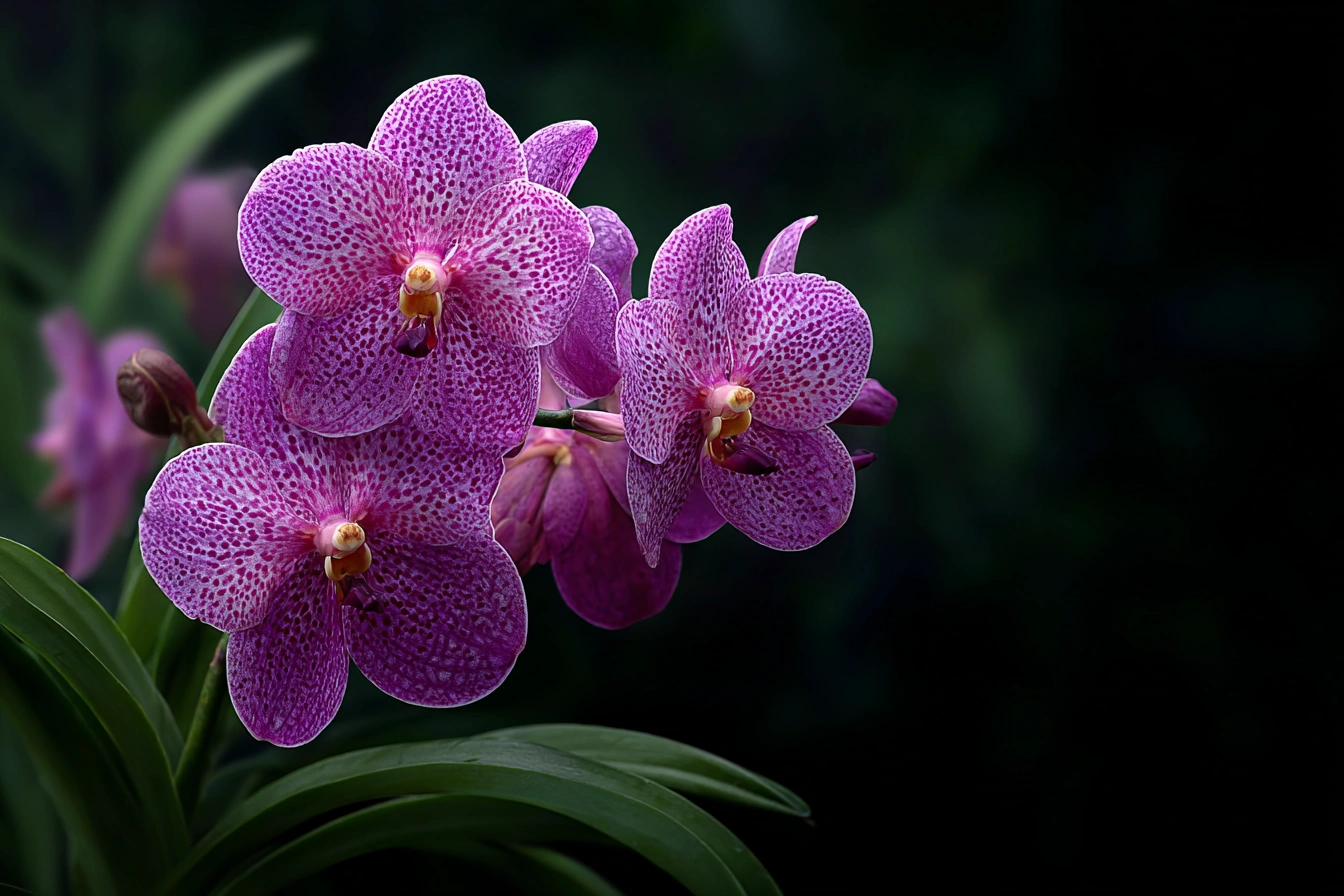
Jewel orchids, belonging to the genus Ludisia or სხვა similar genera, are primarily treasured for their stunning foliage rather than their flowers. Their leaves exhibit a rich array of colors, often adorned with intricate patterns. Jewel orchids prefer lower light conditions, making them ideal for indoor settings. Consistent humidity and well-draining potting media are crucial for their care. They can typically be found at specialized garden centers or during plant exhibitions. Prices vary, but one can expect to pay between $10 to $30 depending on the variety and size.
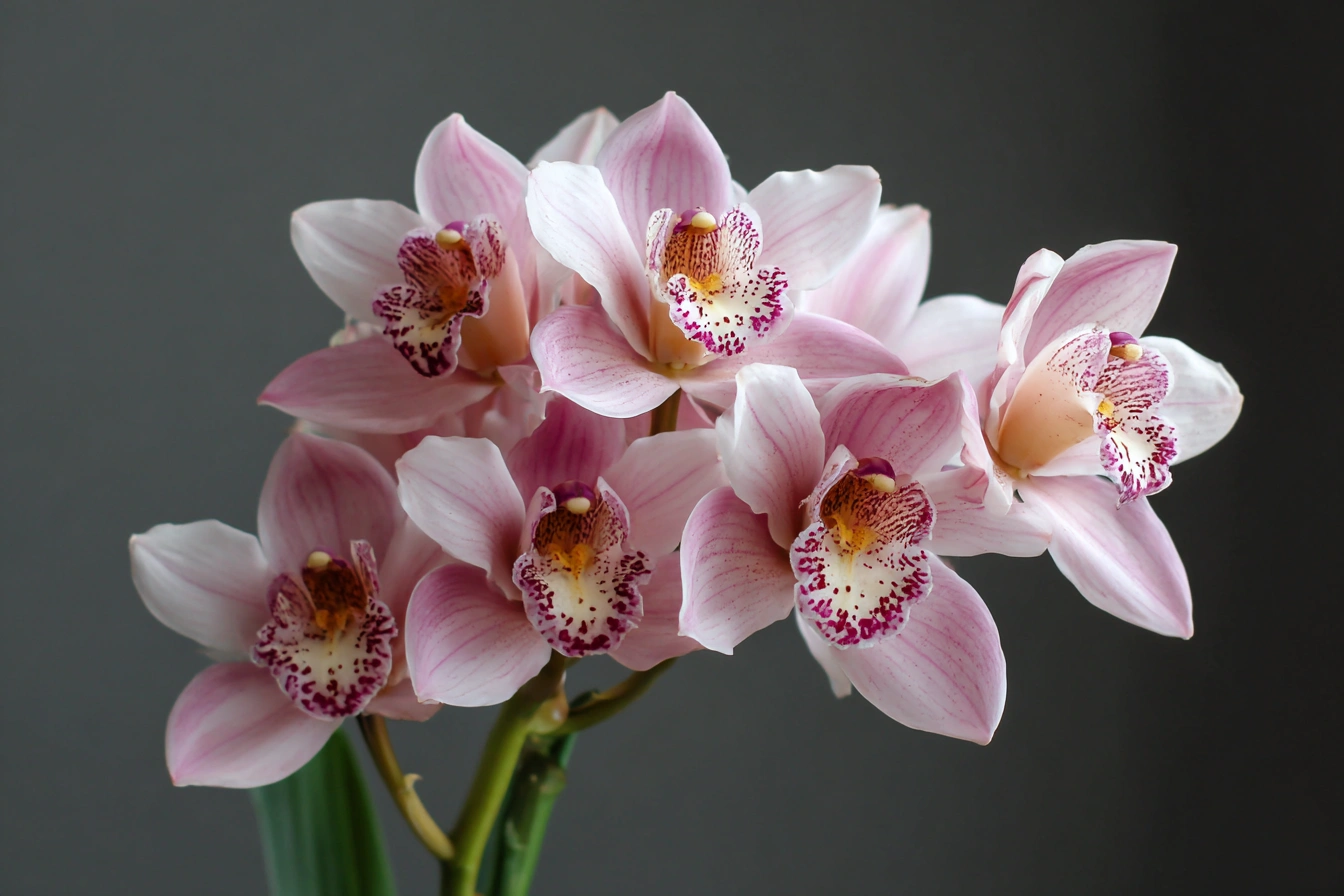
Cymbidium orchids, characterized by their elongated leaves and flowering spikes, are renowned for being resilient and adaptable. These orchids thrive in bright light and cooler temperatures, making them perfect for outdoor cultivation during warmer months. However, they are equally enjoyed as cut flowers due to their long-lasting blooms. Caring for cymbidiums involves providing adequate water without over-wetting the roots, coupled with regular fertilization during the growing season. They frequently range from $15 to $50 and can be acquired from both local nurseries and reputable online sources.
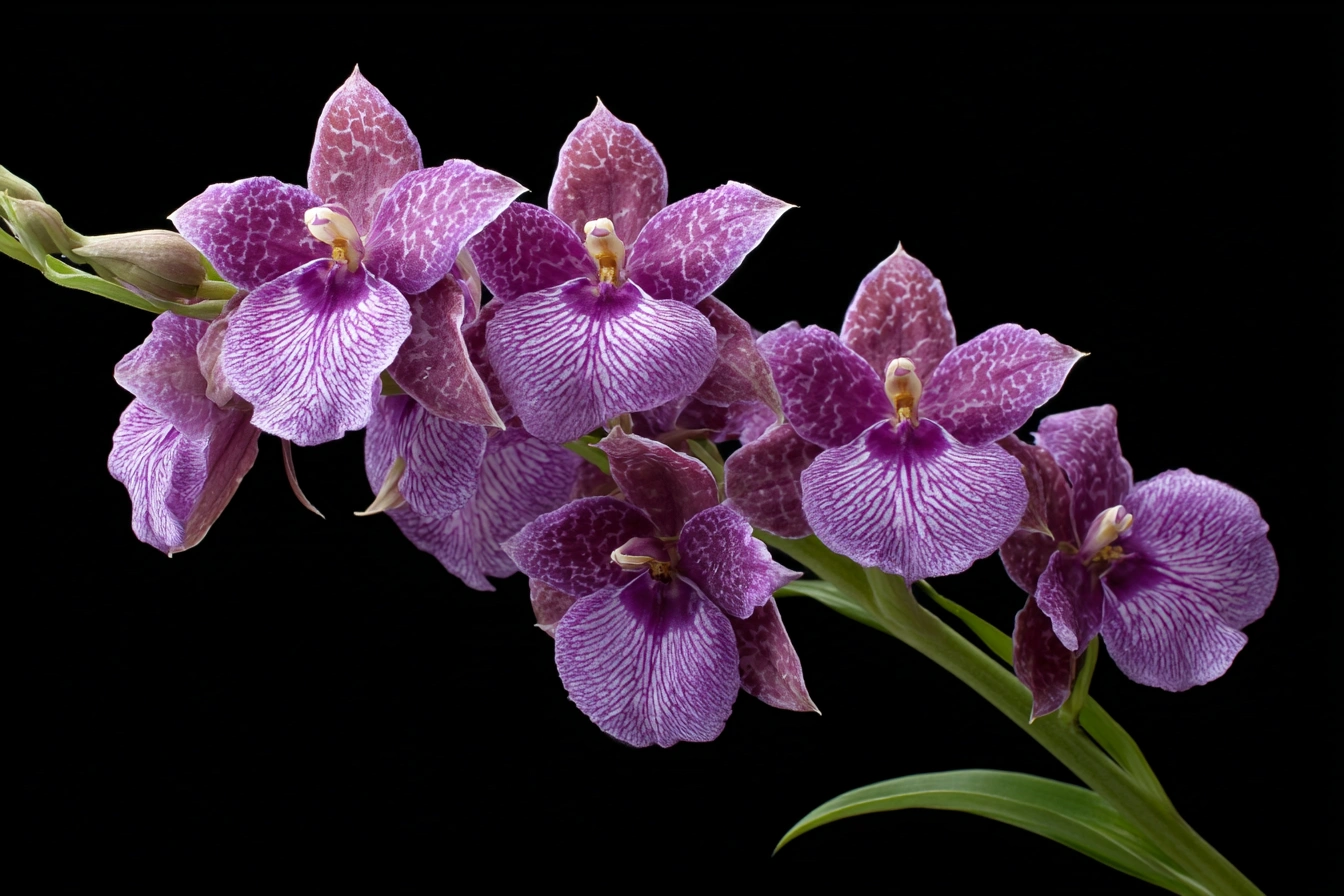
Lastly, the zygopetalum orchids are celebrated for their fragrant, multi-colored blooms. These orchids often exhibit striking patterns, making them a visual delight in any space. Zygopetalums require a bit more attention, as they prefer bright, indirect light and consistently moist conditions. They typically fall within a pricing range of $20 to $60 depending on their age and blooming status. For enthusiasts seeking to add these exquisite varieties to their collections, both local florists and online horticultural websites serve as valuable resources.